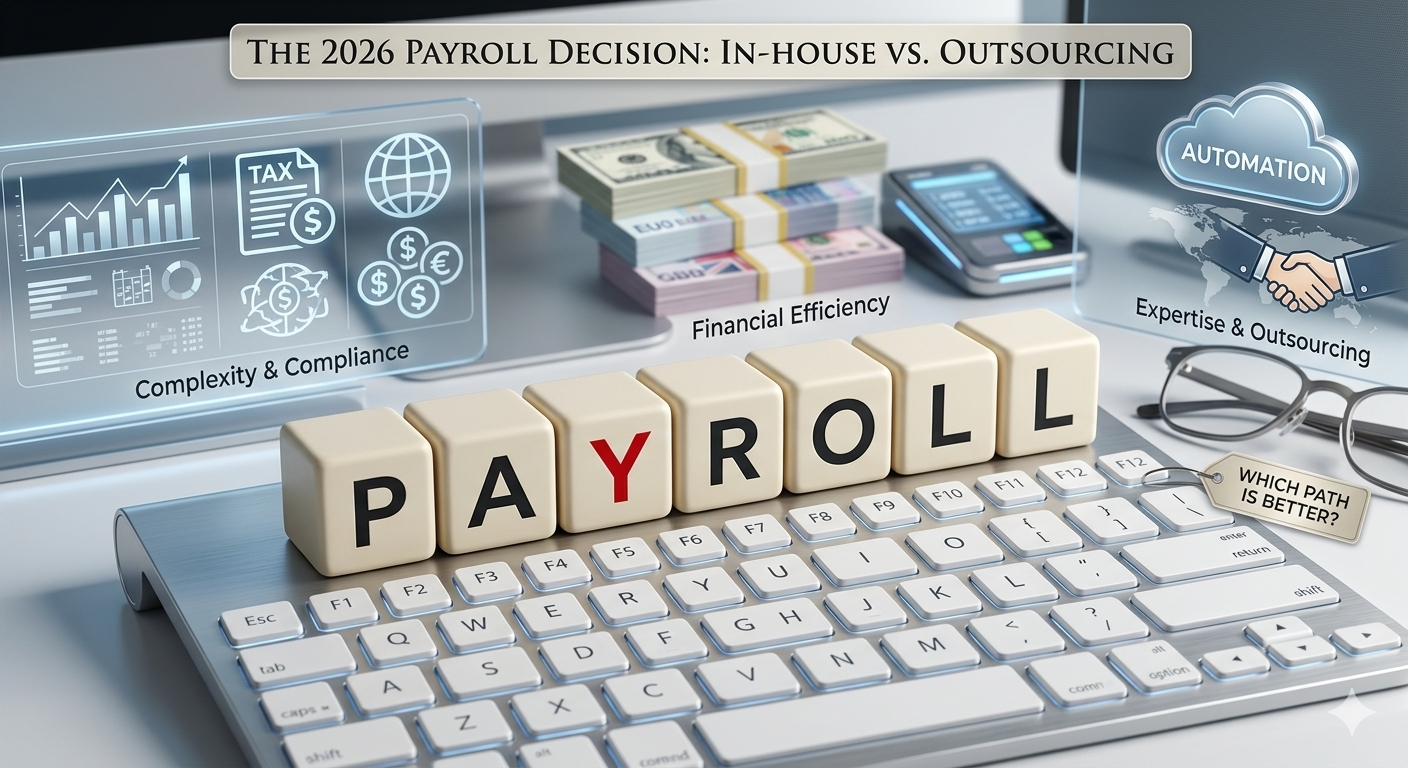
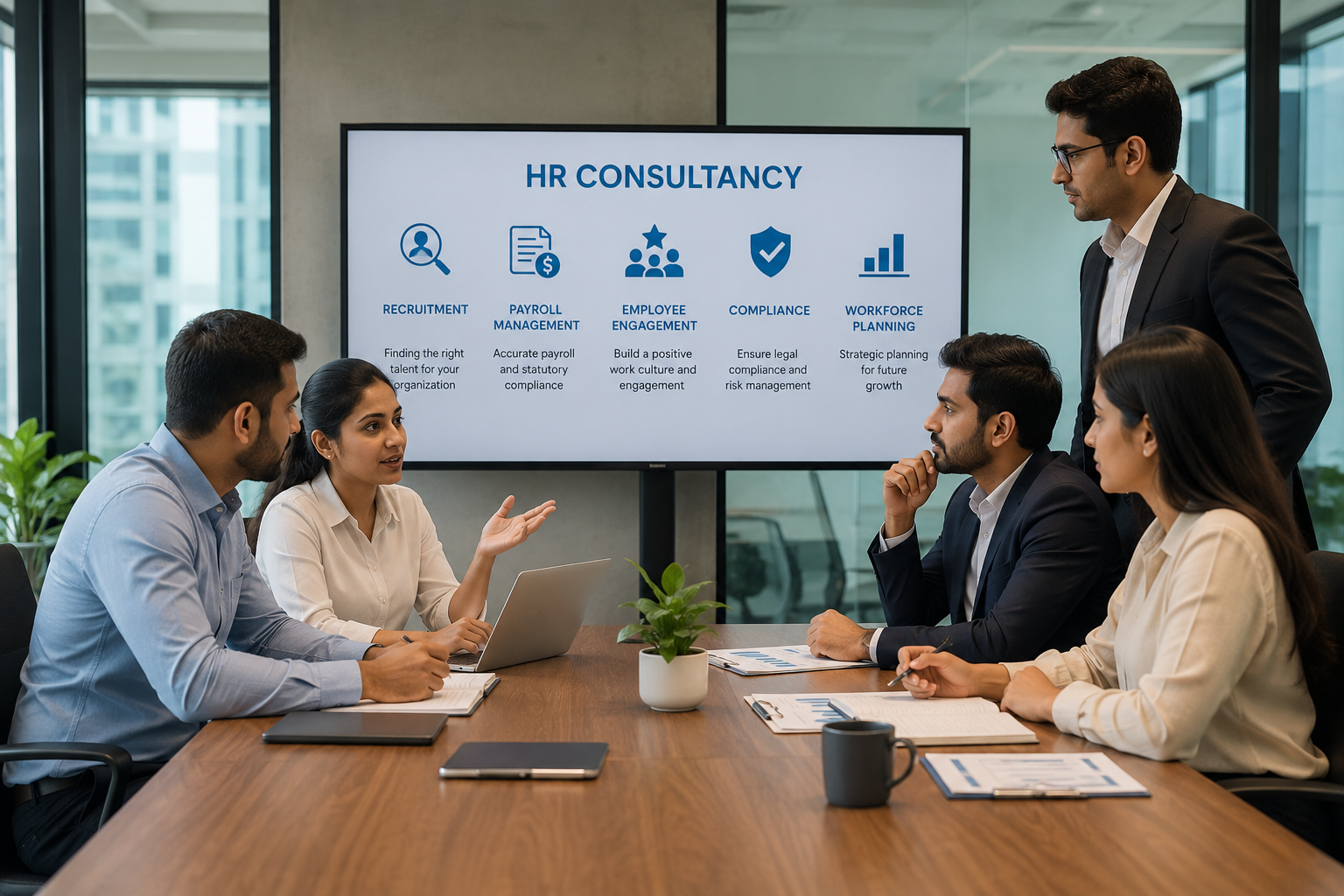
In 2026, payroll management in India has become more compliance-heavy, technology-driven, and risk-sensitive than ever before. Businesses are no longer just calculating salaries — they are managing PF, ESI, TDS, Professional Tax, Labour Welfare Fund, digital audits, employee documentation, and multi-state labour law compliance simultaneously.
This growing complexity is why many companies are now comparing payroll outsourcing with traditional in-house payroll management.
Read full blog here:
Futurex Solutions Payroll Guide
Why Payroll Has Become More Complex in 2026
Indian payroll compliance requirements continue to evolve rapidly. Businesses now face:
- Frequent labour law updates
- Digital EPFO and ESIC monitoring
- State-wise compliance variations
- Stricter payroll documentation requirements
- Increased inspection and audit risks
Futurex explains that payroll errors today can directly lead to penalties, compliance notices, and employee disputes.
What Is In-House Payroll?
In-house payroll means the company internally handles:
- Salary processing
- Payslip generation
- Statutory deductions
- PF & ESI filings
- Tax calculations
- Payroll reporting
This model usually requires dedicated HR staff, payroll software, and ongoing compliance monitoring.
Benefits of In-House Payroll
Better Operational Control
Businesses maintain direct access to employee payroll data and salary structures.
Faster Internal Coordination
HR and finance teams can process changes quickly without depending on external vendors.
Customized Payroll Policies
Companies can easily adapt payroll structures according to internal business needs.
Challenges of In-House Payroll
High Operational Cost
Maintaining internal payroll involves:
- Payroll software subscriptions
- Dedicated payroll staff
- Compliance training
- Error correction
- Technology maintenance
Industry payroll comparisons show that many SMEs underestimate the hidden cost of internal payroll operations.
Compliance Burden
Payroll compliance in India now requires constant monitoring of:
- PF regulations
- ESI updates
- TDS rules
- Minimum wage revisions
- Labour law amendments
Even a minor filing error can create legal exposure.
Multi-State Complexity
Businesses operating across multiple states must handle different Professional Tax, Labour Welfare Fund, and wage compliance rules.
Why Payroll Outsourcing Is Growing Rapidly
Payroll outsourcing allows businesses to transfer payroll operations and statutory compliance management to professional payroll service providers.
Reduced Compliance Risk
Payroll experts continuously track labour law changes and ensure timely filings.
Lower Administrative Workload
Outsourcing reduces pressure on HR and finance teams by automating payroll tasks.
Cost Efficiency
Many businesses reduce payroll overhead costs through outsourced payroll models.
Better Technology Access
Modern payroll outsourcing companies provide:
- Cloud payroll systems
- Automated calculations
- Employee self-service portals
- Digital compliance tracking
Futurex highlights that automation significantly improves payroll accuracy and reduces manual errors.
Payroll Outsourcing vs In-House Payroll
| Factor |
In-House Payroll |
Payroll Outsourcing |
| Compliance Responsibility |
Internal team |
Payroll experts |
| Technology Cost |
Separate investment |
Usually included |
| Payroll Accuracy |
Depends on staff expertise |
Automated systems |
| Multi-State Compliance |
Difficult |
Easier |
| Operational Cost |
Higher fixed cost |
Flexible service cost |
| Scalability |
Limited |
Easy to scale |
| Audit Readiness |
Manual preparation |
Professionally managed |
Which Payroll Model Is Best?
In-House Payroll Works Better For:
- Large enterprises
- Businesses with strong HR teams
- Companies needing full internal control
- Organizations with stable payroll structures
Payroll Outsourcing Works Better For:
- Startups
- SMEs
- Multi-state businesses
- Growing companies
- Businesses struggling with compliance management
Hybrid Payroll Models Are Also Increasing
Many companies in 2026 now use hybrid payroll systems where:
- Internal teams manage salary approvals
- External experts handle statutory compliance
This approach balances control and compliance efficiency.
Conclusion
Payroll management in India is no longer a simple administrative activity. It directly impacts compliance, employee trust, operational efficiency, and financial risk.
As payroll regulations become stricter in 2026, many businesses are moving toward outsourced or hybrid payroll models to improve compliance accuracy, reduce workload, and avoid costly legal mistakes.
Explore the complete guide here:
Payroll Outsourcing vs In-House Payroll India 2026